
Understanding addiction
Cravings, permissive thoughts and the other springs of addiction
Among everything that holds an addiction in place — the unconscious forces working against us — here is a far from exhaustive list of the usual mechanisms.
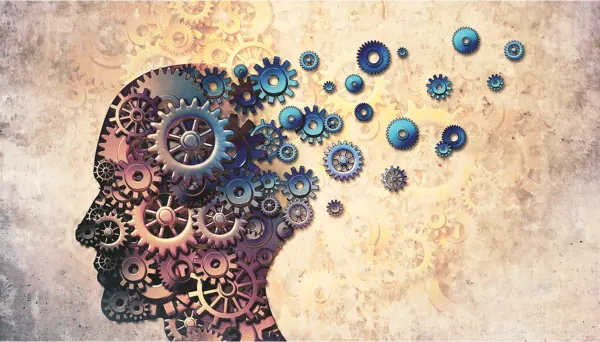
Among everything that holds an addiction in place — the unconscious forces working against us — here is a far from exhaustive list of the mechanisms usually at work.
Cravings
They show up as:
- a tension inside
- recurring thoughts about the object of the addiction
- and a few positive feelings tied to the state you are after: relaxation, blankness, creativity, energy, confidence, and so on
Permissive thoughts
They usually work hand in hand with the cravings, and they carry particular emotions — discouragement and resignation among them:
- "What's the point?"
- "I'll deal with it tomorrow"
- "It's fine, one last time…"
- "You've still earned it"
- "You have to die of something", and so on
Fear of what we feel, and fear of suffering
If there is one common breeding ground for addiction, it is families where emotions are frightening or have no place. Having your emotions invalidated when young often leads, as you grow, to an ever greater effort to avoid them. Enter addiction. As Gabor Maté puts it: it is the attempt to escape discomfort and pain that creates more discomfort and more pain.
Fear of the void
Victor Hugo wrote that the mind, like nature, abhors a vacuum; that into the void nature puts love, and the mind often puts hatred, because hatred occupies. In our era you can generally swap "hatred" for "consumption" or "entertainment". This fear of the void is often why simply removing an addiction is no guarantee of success. It is also why so many people are afraid to stop. Either they fear how they will react without the crutch, or they cannot picture their life without that occupation — which is exactly why the new life has to be built alongside.
The force of habit
Do not underestimate it: the brain loves a habit. It will even prefer what is familiar to what is healthy but new.
Guilt, and every other form of self-criticism or moral judgement
- "I have no willpower"
- "I'm the problem"
- "I don't deserve to get out of this"
- "I'm bad, the punishment is probably deserved"
By identifying completely with our compulsive behaviour, without understanding that it comes mostly from the unconscious, we tend to condemn ourselves, punish ourselves, and so stay locked inside what is hurting us — the addiction included. It is a terrible second sentence on top of the first. The same goes for family and friends: watch out for judging, guilt-inducing or moralising remarks, because they risk driving the nail in and reinforcing the mechanism. More criticism leads to more shame and guilt, which leads to feeling worse, which multiplies the addiction.
Identity and the wish to belong
It is possible — not systematic — that at the beginning of our history with addiction we decided, consciously or not, that smoking cigarettes or joints, drinking, or using anything else made us look cool, rebellious, free. Perhaps to break away from a parental authority that felt suffocating, or to get a reaction out of a parent who was too submissive, or simply because those rituals let us fit in with the more complicated, tormented, enigmatic figures — the bad boys and the hotheads.
A first assessment
Tired of going it alone?
A 45-minute conversation, free and with no commitment.

- 01Understand the mechanics behind your addiction
- 02Identify what stands between you and the way out
- 03Decide together whether this support fits you