
Understanding addiction
How to quit cannabis for good
Quitting cannabis without relapsing: understand the need behind using, what withdrawal really involves and a 5-step method. Interactive hypnosis, by video.
There is often a moment when, deep down, you decide that it's over. No big announcement, just a quiet certainty: this time, you're stopping. And then, a few days or weeks later, on an evening when you're tired or bored, you catch yourself starting again, with a sense of failure even heavier than the last time.
This loop is neither inevitable nor a sign of weakness. It is a message: as long as you don't know what cannabis does for you, you can't really do without it.
In short: quitting cannabis without relapsing depends less on willpower than on understanding the need the drug is filling (calm, sleep, social connection, creativity…). Once that need is identified, you can meet it in other ways, get through the emotions that come up, build new rituals and plan ahead for the risky moments. That is what the 5-step method described here is about.
Key takeaways
- Cannabis withdrawal syndrome is now clinically recognised: symptoms usually appear 24 to 72 hours after stopping, peak in the first week, then fade over two to three weeks.
- Cannabis dependence is both physical and psychological, and the body plays its part too by expressing needs that haven't been heard: meeting those needs can noticeably ease the tension of withdrawal.
- A relapse is not a fault: it is information about a need that hasn't yet found another answer.
- The 5-step method (decode the functions, activate your resources, release emotions, build new rituals, anticipate risks and relapses) works on the cause rather than the symptom.
- Online support works as well as sessions in person and lasts 3 to 12 weeks on average.
Why willpower alone isn't enough to quit cannabis for good
It often feels as if stopping is a matter of character: “if I were stronger, I'd manage it”. In reality, you are asking willpower to do a job that isn't its own.
Cannabis as an answer to a need, not a vice
Cannabis never comes into our lives by chance. A habit, good or bad, is never there without a reason. The joint serves a purpose, often several at once:
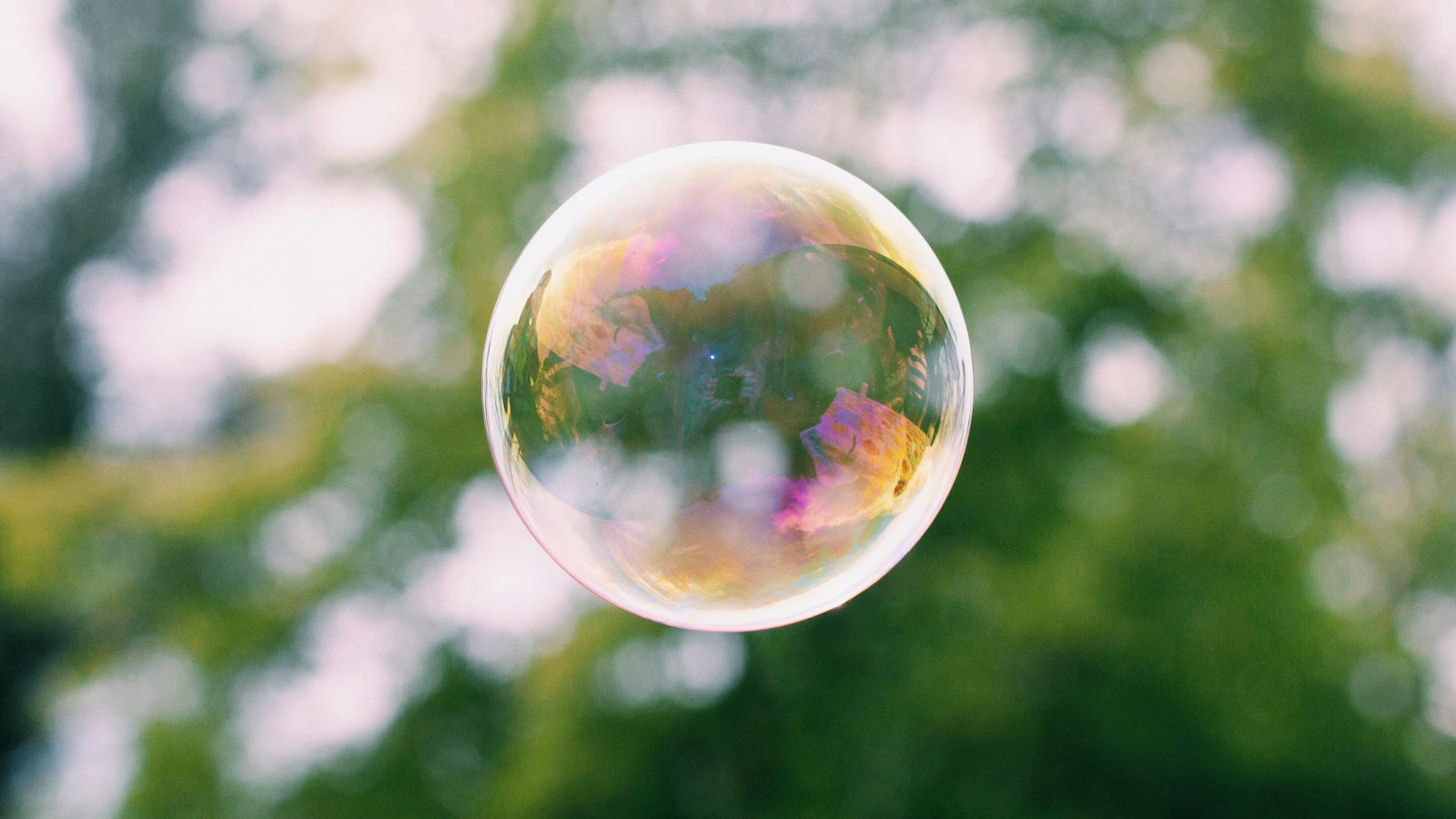
- The bubble: reconnecting with yourself, getting back to your own world, switching off from everything outside.
- Creative fuel: lowering the barriers that block writing, music, ideas.
- The OFF switch: shutting down the mind, quietening the thoughts that go round and round after a day of stress or tension.
- The sleeping pill: finally getting to sleep when sleep won't come.
- The social mask: easing shyness, anxiety, the parts of yourself you'd rather not show.
- Belonging: staying part of the group, sharing a ritual, feeling less alone.
- The painkiller: numbing a pain you can't yet put a name to, sometimes an untreated trauma.
When you take this crutch away without building something underneath, you feel the gap straight away. Your stomach knots, irritability rises, your nights break up. And the brain asks for its usual relief as soon as the tension gets too much.
That is why it matters so much to treat the underlying cause rather than the symptom: to work out exactly what function cannabis was serving in your daily balance.
Willpower, a limited resource against the unconscious
Willpower is valuable, but it runs out. Work, family and the unexpected already draw on it heavily. And it comes up against an opponent far more powerful than itself: the unconscious, the part of us that regulates our breathing, our heart rate and our reflexes without ever asking our opinion.
Fighting with nothing but mental strength means wearing yourself out and blaming yourself at every slip. The key lies elsewhere: in an attitude of observation, curious and kind, that helps you understand your own mechanisms and find the right levers.
Why the usual approaches don't always hold
Many people who come for support have already tried a great deal: stopping through willpower, seeing an addiction specialist, support groups, rehab, alternative methods (more directive hypnosis, laser, EMDR), sometimes medication.
Each of these approaches has its place and can be valuable. They often bring relief, new awareness, a period of abstinence. But stopping is not necessarily healing. As long as the needs hidden behind the use aren't understood, they look for another way out: you relapse, or the addiction shifts to alcohol, sugar or screens.
Antoine Arnoult has been supporting people with addictions since 2017 and has worked with more than 300 people, many of whom had already failed with conventional methods. He went through many addictions himself, cannabis among them, before breaking free. What he has seen hundreds of times: relapse happens when the deep need behind the use hasn't been heard. Hence the need for tailored support rather than a one-size-fits-all solution.
Understanding cannabis withdrawal: what happens in the body and in the mind
Knowing what comes from physiology, what comes from emotions and what the body is expressing helps you avoid lumping everything together into one big feeling of discouragement.
What THC does in the brain
THC, the main active compound in cannabis, binds to CB1 cannabinoid receptors, which are involved in pleasure, memory, coordination and emotional regulation. It triggers a release of dopamine: the brain then links the joint with a reward, and the behaviour is reinforced.
Over time, tolerance builds up: you need more to get the same effect. And when you stop, the brain has to relearn how to work without this outside supply. That period of adjustment is what we call withdrawal.
The real timeline of withdrawal symptoms
Cannabis withdrawal symptoms generally appear 24 to 48 hours after the last use, according to clinical data published in PMC. Here is what you can expect, with wide variations from one person to the next:
- Days 1 to 3: irritability, nervousness, frequent cravings, first difficulties getting to sleep.
- Days 2 to 6: the peak. Anxiety, restlessness, low mood, loss of appetite, disturbed sleep.
- Weeks 2 and 3: symptoms gradually fade.
- After that: sleep and dreams (often very intense at first) can take several weeks to settle.
Cannabis withdrawal syndrome is now well identified and confirms that cannabis dependence is a physiological reality, not just a psychological one, as a report by the Fédération Addiction (a French network of addiction services) points out. A meta-analysis published in 2020 in JAMA Network Open also estimates that around half of regular users experience it.
This recognition is freeing. No, you are not “weak” in the face of a drug said to be soft: you are going through a real process, one that is temporary and comes to an end.
Physical, psychological… and physio-somatic
We tend to split withdrawal in two: on one side the body craving its substance, on the other the mind holding on to its habits. That is useful for understanding, but it is incomplete.
Because the body doesn't just react to the absence of THC. It speaks. The clenched jaw, the knotted stomach, the restless legs, the tight chest: these tensions also express an older pain, that of needs which haven't been heard for a long time. Cannabis kept them quiet. When it goes, the body finds its voice again, sometimes forcefully.
This is the physio-somatic side of withdrawal: part of the physical discomfort isn't only chemical, it is the language of a need waiting for an answer. And that is very good news. Because when you genuinely meet these needs (finding your bubble another way, calming the mind from within, feeling connected), the physiological tension can ease noticeably. The body no longer needs to shout what you have finally heard.
The psychological part, on the other hand, can stay active much longer, because the brain has linked the joint with relaxing, creating, evenings with friends, the end of the day. That memory is what triggers a relapse three months later, on an evening of stress or boredom, when the body seemed to have been clean for a long time.
Body, emotions, thoughts: it is all connected. And it is precisely by working on these three dimensions together that in-depth support can act where willpower alone runs out.
Spotting your early warning signs
Before you start again, the body and mind often send quiet signals you have learned to ignore: a clenched jaw, a sudden urge to be alone, no tolerance for noise, a thought along the lines of “just one, tonight, it doesn't count”.
Learning to spot these small signals puts you one step ahead. An uncontrollable urge becomes a mapped-out process, where each discomfort has an explanation and a fitting response. The aim isn't to get rid of every unpleasant feeling, but to gradually widen your ability to get through it.
The 5-step method to quit cannabis without relapsing
Rather than fighting the addiction, we look at it as a messenger: the signal of one or more vital needs that aren't being met. The method combines interactive hypnosis, needs-focused coaching, CBT, NLP, mindfulness and nonviolent communication. Sessions last an hour and a half, closer together at the start and then further apart, over 3 to 12 weeks on average.
Step 1: Decode what cannabis does for you
We start by mapping out precisely what cannabis gives you. Getting into your bubble? Creating? Switching off your mind? Falling asleep? Feeling more at ease in a group?
We also look at what currently stops you from reaching these states naturally. Understanding the mechanisms means knowing which buttons to press. Naming the need accurately is what makes it possible to meet it another way, without harming yourself.
Main tool: needs-focused coaching.
Step 2: Activate your inner resources
Calm, confidence, creative drive, letting go: you discover that these states never belonged to the drug. They are inside you, and cannabis was only opening the door to them, at a high price.
With interactive hypnosis, you learn to reach these states from within, using your own memories and imagination. You stay active and aware, you talk, you build your own ways in.
Main tool: interactive hypnosis.
Step 3: Release the emotions you were numbing
When the painkiller goes, what it was holding at bay comes back up: sadness, anger, fear, boredom, frustration, sometimes old wounds. This is the step people dread most, because it puts you face to face with what you have been running from for years.
Yet that is where freedom begins. An emotion that is welcomed and lived through, in a safe setting, gradually loses its power. It no longer needs to be smothered.
Main tools: interactive hypnosis, NLP and guided mindfulness.
Step 4: Build new rituals
The idea isn't to swap the joint for another compulsion, but to create tailor-made habits that genuinely meet the need you have identified. If cannabis was how you unwound in the evening, you build a new end-of-day ritual. If it was about social connection, you work on how you are in a group, how you express your limits, how you say no without justifying yourself.
And we don't forget pleasure. A life without cannabis doesn't have to be an austere one: it can be more alive, freer, richer in flavour.
Main tools: needs-focused coaching and nonviolent communication.
Step 5: Anticipate risks and come to terms with relapse
The last step, and by no means the least: preparing for the risky moments. The party night, the break-up, the stressful day at work, the boredom of a rainy Sunday. We identify the automatic thoughts that open the door (“I've earned it”, “just tonight”) and prepare concrete responses.
There is always a space between the craving and acting on it. The shorter that space, the more you act on reflex. Building awareness lets you widen it, and that space is where your freedom to choose lies.
And if you slip, you read it as valuable information, not as going back to square one.
Main tools: cognitive behavioural therapy (CBT) and guided mindfulness.
Interactive hypnosis and online support: why it works
How you are supported matters as much as the work itself, especially when shame or distance have long held you back from asking for help.
Interactive hypnosis: staying in charge of your own change
This has nothing to do with stage hypnosis, or even with a more passive hypnosis where you receive suggestions with your eyes closed. Interactive hypnosis is a blend of guided daydreaming, NLP, sophrology and mindfulness. You stay aware, you talk, you explore. The images come from you, and that is exactly what makes the resources you discover last: they belong to you.
Video sessions, a setting that often helps people open up
Working from home can make it easier to confide. Some things are easier to say from your own sofa, in your own space, than in a therapist's room. Regular sessions are also easier to keep up, with no travel or logistics to wear down your motivation.
Online support for addictions has been offered since 2017, across France and abroad. The work is the same as in person: a quiet spot, a stable connection, a headset, and the rest follows.
Addiction specialist, hypnotherapist, coach: who should you see?
An addiction specialist (in France, an addictologue) is a doctor: they can make a diagnosis and prescribe treatment. A hypnotherapist and coach prescribes nothing, but works on what the addiction is filling in for. The two approaches complement each other.
If there are associated mental health problems, acute distress or several substances involved, medical advice alongside is recommended. For a clearer picture, you can read how to choose between an addiction specialist, hypnosis and coaching depending on your situation.
When should you ask for help?
The right moment isn't when you have hit rock bottom. It is when you recognise that your current strategies are no longer enough. Waiting for a full-blown crisis often makes the road longer.
If you need someone to talk to or advice on where to turn right away, in France Drogues Info Service, the national drugs helpline, offers a free and anonymous line on 0 800 23 13 13, every day from 8am to 2am, for anyone affected directly or indirectly by drug use. This first contact doesn't replace support, but it offers a valuable safety net.
Regaining confidence after past failures
Every attempt to stop, even a “failed” one, holds valuable information: what held, what gave way, at what moment, in what context. Rather than counting your failures as verdicts, you can read them as steps towards knowing yourself better.
No serious form of support can promise a magic cure or guarantee that there will be no difficulties at all. This path takes real commitment. But it offers something willpower alone doesn't: understanding why it didn't hold before, and how to do things differently this time. Without staking everything on willpower, without shifting the addiction onto something else, and without forgetting pleasure.
To take stock, you can start with the online addiction test, anonymous and done in 2 minutes, or book a free 45-minute assessment to identify together the need hidden behind your use. There is more information on the page about quitting cannabis.
Frequently asked questions
How long does cannabis withdrawal last?
Physical symptoms appear 24 to 72 hours after stopping, peak between the second and sixth day, then ease over two to three weeks. Sleep problems and intense dreams can last a little longer. Psychological dependence, for its part, calls for in-depth work over several weeks.
What are the signs of cannabis withdrawal?
The most common are irritability, anxiety, nervousness, sleep problems, very vivid dreams, loss of appetite, a passing low mood and intense cravings. These signs are normal and temporary: they confirm that the dependence is physiologically real.
How do you quit cannabis when you smoke every night to sleep?
When cannabis is mainly there to help you fall asleep or switch off your mind, we work on other ways to find calm and sleep: evening rituals, calming techniques learned through interactive hypnosis, work on rumination. The idea is not to rely entirely on willpower at the moment the craving hits.
Can you quit cannabis without willpower?
You can't do without it completely, but you can stop asking it to do everything. When the need behind the use is understood and met in another way, the craving loses its force, and willpower no longer has to carry the whole weight of stopping.
Does hypnosis work for quitting cannabis?
Hypnosis can be a real help, especially when it is part of wider support that deals with the function cannabis serves. Interactive hypnosis lets you reach from within the states you were looking for in the drug. It isn't a magic wand: it gives you resources you learn to draw on yourself.
What are the effects of cannabis on the brain, and are they reversible?
THC acts on cannabinoid receptors and can affect memory, concentration, motivation and emotional regulation. Regular use, especially when it starts young, can also increase anxiety and, in some people, the risk of psychotic disorders. The good news: many of these effects ease once you stop, with time.
How long does support to quit cannabis take?
On average between 3 and 12 weeks, depending on how often you use, how long the habit has lasted and the emotional role the drug plays. Sessions are closer together at the start, then further apart. The length is estimated together during the free assessment.
Is there a free helpline for cannabis?
In France, Drogues Info Service answers free of charge and anonymously on 0 800 23 13 13, every day from 8am to 2am. This national service offers a listening ear, information and guidance to anyone affected, directly or indirectly.
A first assessment
Tired of going it alone?
A 45-minute conversation, free and with no commitment.
- 01Understand the mechanics behind your addiction
- 02Identify what stands between you and the way out
- 03Decide together whether this support fits you