Energy & performance
Getting those states back without the substance.

Cocaine
Energy, confidence, intensity, belonging to the party: cocaine delivers very specific states. Replacing them for good, without betting everything on willpower or shifting the addiction elsewhere.
I left cocaine behind myself in 2016, after years of heavy recreational use. That experience is no clinical guarantee — it is a close understanding of the mechanics, the shame, the fear of emptiness, and the way the addiction can shift onto something else.
This support is only offered as a structured programme (no standalone sessions), typically over 3 to 12 weeks, at the practice in Caen or by video call.
Getting those states back without the substance.
Defusing the anxiety that drives the use.
Parties, stress, boredom: new strategies for each.
This support does not replace emergency medical care or supervised hospital withdrawal where the situation calls for it. The 45-minute assessment is also there to judge whether my framework fits — or whether you should first be pointed towards other resources.
See how the method works →The addiction holds because it keeps delivering specific benefits. Naming them shows what cocaine is “paying for” — and what will have to be generated another way.
Endless nights, intensity, meeting people — then the shallowness that wears down your self-image.
Dopamine surging: a livelier, more powerful version of you… until the effect drops.
Energy when life is out of balance: too much work, too little recovery.
The jet-set cliché, ambition, “better than everyone else” — and the bill that follows.
Standing apart from the tidy, conventional side of society.
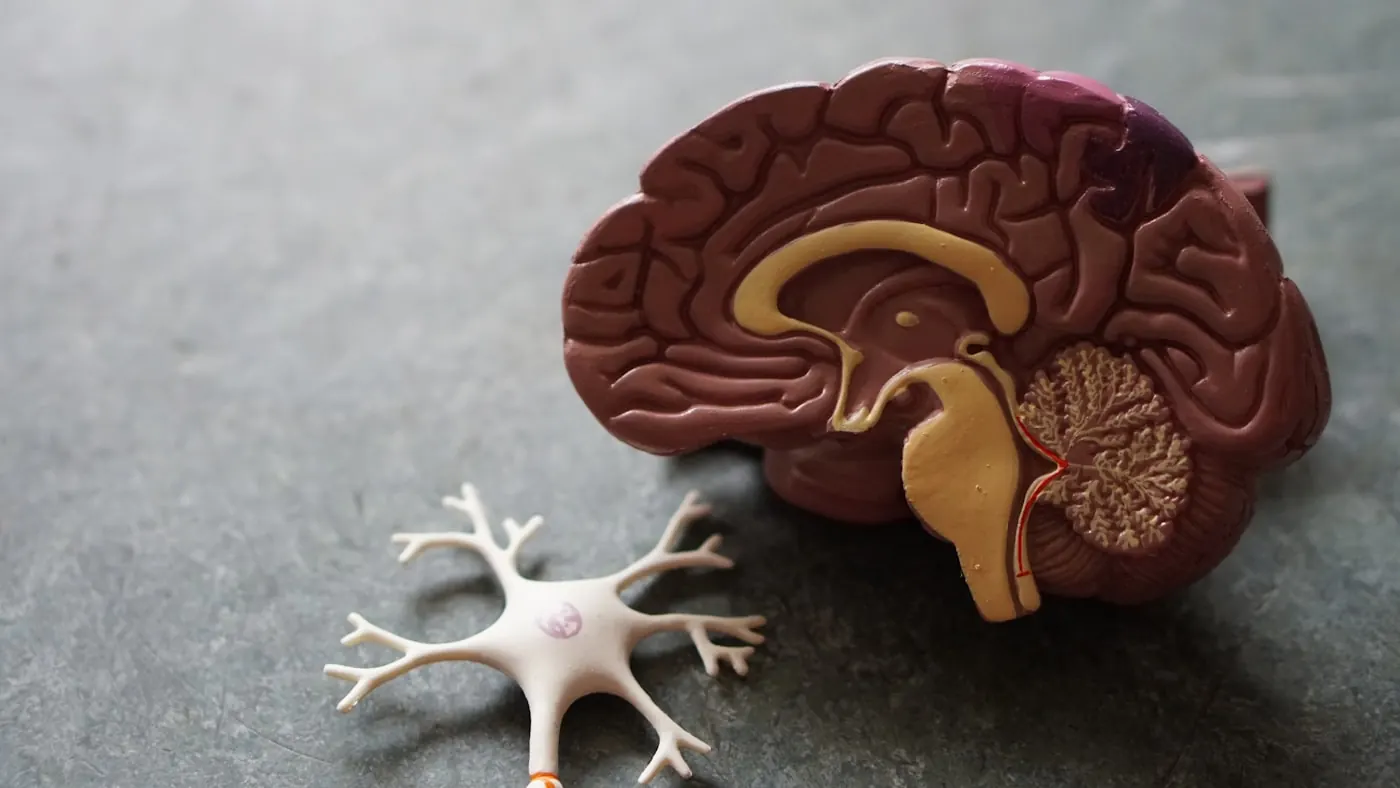
Cocaine acts on the reward circuit by blocking dopamine reuptake. The build-up in the synaptic space produces euphoria, energy and confidence.
With regular use the brain reduces its receptors (tolerance): it takes more for the same effect, with a rising risk of overdose. Without the drug the circuit works less well — fatigue, depression, irritability, craving.
Sensitisation and brain plasticity can also reinforce compulsive behaviour and affect the prefrontal cortex (decisions, impulsivity) and the amygdala (fear, anxiety).
Rising doses, then withdrawal when the usual dopamine level disappears.
Genetics, stress, trauma, adolescence, mood disorders or impulsivity.
Body, mind, relationships, work, money: the impact is wide. The longer you wait, the longer the road back.
Heart and blood pressure, vasoconstriction, nasal passages, sleep, appetite, risk of seizures.
Anxiety, paranoia, depression on withdrawal, impaired concentration and decisions, craving.
Conflict, isolation, precarious employment, debt, and legal trouble tied to possession or use.
The good news: these effects can be reversed. Getting physical, mental and emotional capacities back when you thought they were gone is a genuine relief. The sooner you act, the shorter the road.
45 minutes to map out your mechanisms and decide what comes next — a programme from €790 if you go ahead.
For recreational or regular use with no acute medical complication, outpatient support online or in Caen can be enough. A medical opinion remains essential where consumption is heavy.
The method works on emotional triggers, rituals and self-regulation. Concrete tools are put in place from the first sessions to get through the peaks.
No. What is offered here is private therapeutic coaching, not covered by French social security.
A confidential 45-minute conversation to understand your pattern of use, your reasons for changing, and whether this support is a good fit.