Interactive hypnosis
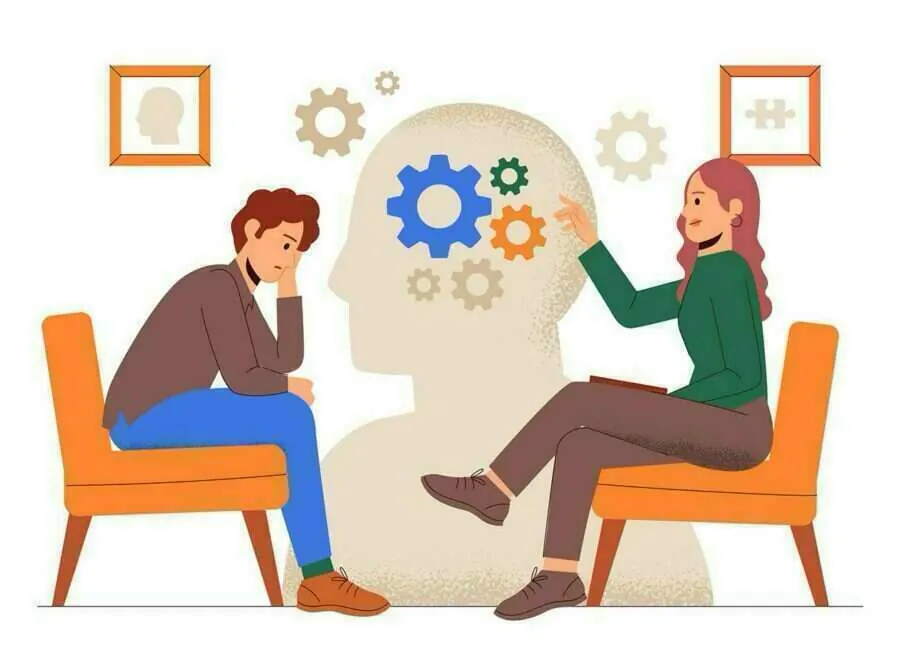
Where guided imagery, visualisation, NLP, sophrology and mindfulness meet. People stay fully involved in their own recovery: the images, the resources and the ideas come from their own intuition.
About
Before being a therapist, I am someone both fascinated by addiction and marked by it for life. After twenty-five years caught in it, and a return to a life full of adventure and meaning, I decided to work with people who also want to leave that risky road behind and find a healthy, lasting, living kind of freedom.
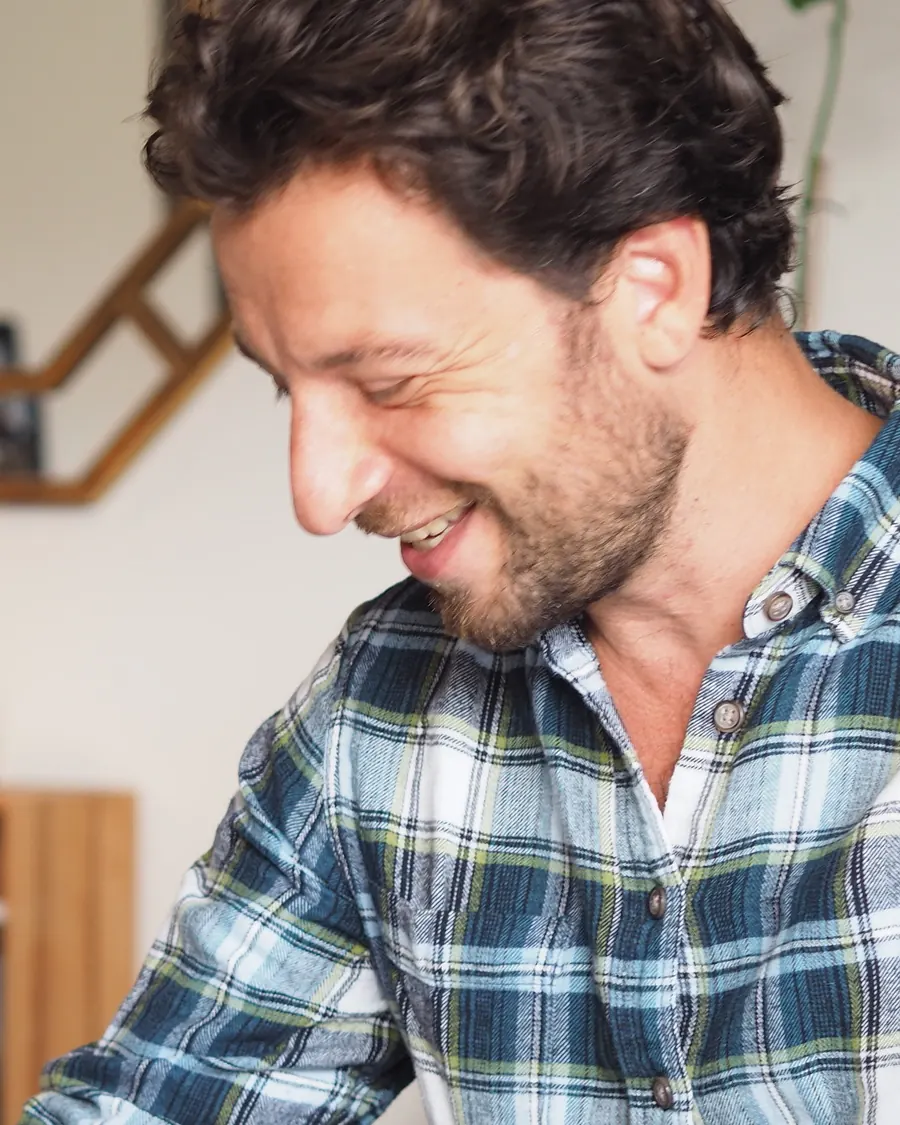
There was a lot of addiction in my family. My brother died very young, at 19, after heavy use of hard drugs. I never met my grandfather, who died of lung cancer. Alcohol and prescription drugs did their share of damage among the people around me too.
For my part, it started with bulimic episodes around the age of 10, then a steady pile-up: emotional dependence, cigarettes, cannabis, alcohol, sex and cocaine. More than twenty-five years of depressive phases, of struggling to feel in the right place and safe in my friendships and relationships.
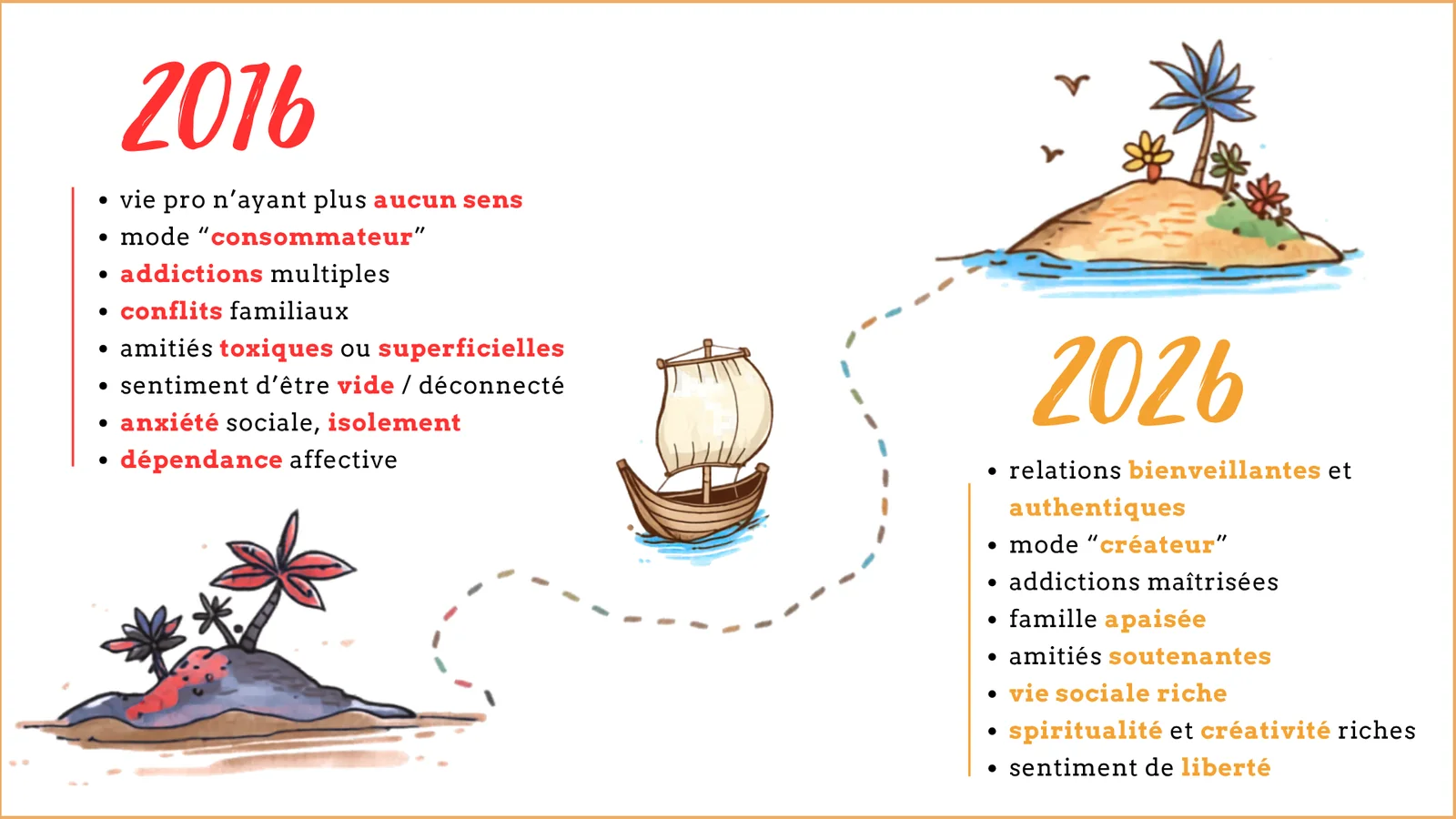
In 2016 the malaise became too loud to ignore: recurring pain, insomnia, panic attacks. I left my work as a digital consultant. The search for meaning took over and I turned towards coaching, because I had always liked helping other people grow, personally or professionally.
And then I realised I was not ready for that role yet — I did not have the emotional stability it required.
I started with meditation and mindfulness, mostly to calm the anxiety.
Then I tried a great many approaches — classic psychology, Ericksonian hypnosis, reiki, sophrology, kinesiology, coaching, EFT, CBT, nonviolent communication — and understood how much an integrative approach matters: several complementary therapies working together.
After qualifying as a professional coach, I trained in guided imagery, NLP, sophro-analysis, sophrology, CBT, nonviolent communication, Jungian archetypes, the mechanics of addiction, and practical philosophy — Stoicism and Buddhism in particular.
I left my addictions behind one by one, from cocaine in 2016 to tobacco in 2019. Mindfulness is still a daily practice.
Out of that path came two new therapeutic forms, alongside two already well-established approaches:
Where guided imagery, visualisation, NLP, sophrology and mindfulness meet. People stay fully involved in their own recovery: the images, the resources and the ideas come from their own intuition.
A stripped-back form of coaching that turns the emotional needs the addiction used to cover into concrete, enjoyable, lasting actions.
By picturing the situations that could bring the addiction back, and becoming aware of the thoughts and emotions at play, we build new ways of answering them together.
Many people living with addiction find it very hard to express their needs and their limits. This practice helps us set up new forms of communication that ease tension and clear the air in relationships.
That path took me close to ten years. I work with people who want to make the same crossing faster — moving from consumer mode to creator mode, towards a life that actually looks like them.
Where rehab, therapy sessions, medication or Ericksonian hypnosis had led nowhere, people with up to twenty years of dependence manage to get free by properly replacing what the substance or the behaviour was doing for them — in a few months at most.
A first assessment