Brain & neurotransmitters
Dopamine (short-lived pleasure), GABA (relaxation, less anxiety), glutamate inhibited (coordination, memory). Then tolerance: it takes more for the same effect, and withdrawal shows up when you stop.

Alcohol
Alcohol often covers relaxation, belonging, mental quiet. We work on those needs so the drinking comes down — sometimes almost imperceptibly — without a permanent fight.
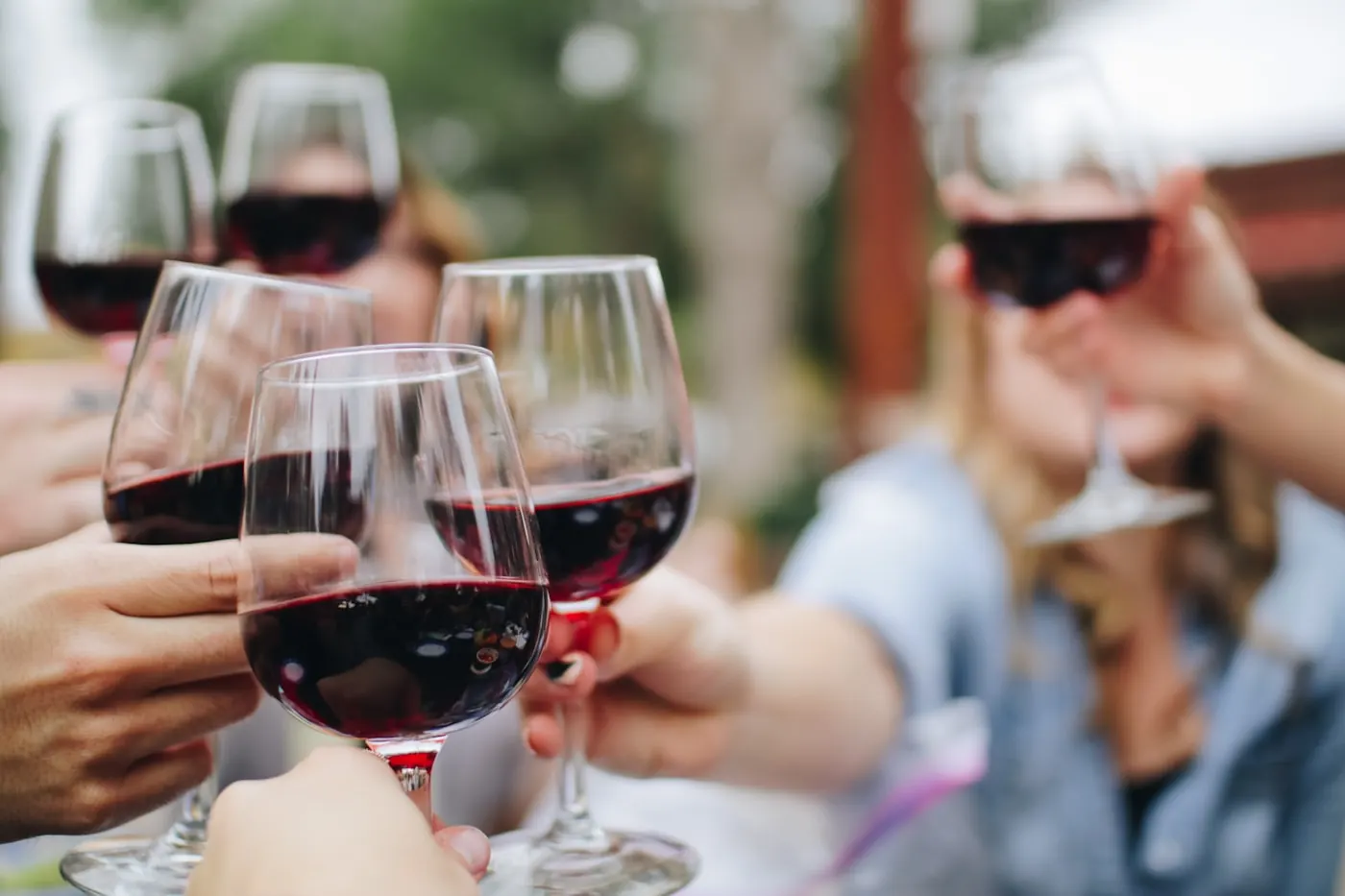
“With no physical or psychological suffering, and almost imperceptibly, my drinking started to come down. Even after a relapse, he never stopped supporting me.”
Alcohol is woven into the culture, which makes it easier to justify. Naming the benefits it still delivers is how you understand what keeps you caught.
Biological, psychological and social — three levers reinforcing one another.
Dopamine (short-lived pleasure), GABA (relaxation, less anxiety), glutamate inhibited (coordination, memory). Then tolerance: it takes more for the same effect, and withdrawal shows up when you stop.
Alcohol reinforces drinking. Over time the brain becomes more sensitive to alcohol and less to other sources of pleasure — hence the compulsion.
Positive reinforcement (pleasure, stress relief) and negative reinforcement (settling withdrawal or emotion). Conditioning: situations, people and feelings that trigger the urge.
Peer pressure, cultural norms, easy access, pressure at work or at home: the ground often pushes towards drinking more.
Physical, psychological, social — depending on quantity, frequency and individual vulnerability.
Liver (cirrhosis), pancreas, gastritis, digestive cancers; blood pressure, heart, rhythm; nerves, memory, concentration; immunity, osteoporosis, sexuality.
Depression and anxiety made worse over the long run; irritability; disturbed sleep; a compulsive need despite the damage.
Family tension, isolation; absence from work, job loss; money; legal risk (driving, alcohol-related offences).
The good news: these effects can gradually be reversed. Getting most of your physical, mental and emotional capacities back is a genuine relief. The longer you wait, the longer the road.
Which states alcohol genuinely delivers.
Generating them from the inside (interactive hypnosis).
The emotions and trauma keeping the need alive.
New rituals for the situations that put you at risk.
45 minutes to see whether this support can help — at the practice in Caen or online.
It does, when it targets the emotional mechanics and the rituals rather than willpower alone. Interactive hypnosis helps defuse the automatic responses and build other answers to the same needs.
Yes. The work adapts to your goal: full stop, a pause, or controlled reduction. The assessment clarifies what is realistic and sustainable for you.
No, this is private support. Where dependence is severe, a medical opinion alongside remains advisable.
We look at your relationship with alcohol, the contexts you drink in and the emotions attached to it. You come away with a personal road map, with no commitment.