

Understanding addiction
Craving: the wave that rises, and comes back down
An intense, sudden urge that appears without warning and takes up all the space, ruling out any kind of concentration and making it hard to think about anything else. It isn't a lack of willpower and, surprisingly, nor is it, as is said far too often, a physiological dependency on the substance.

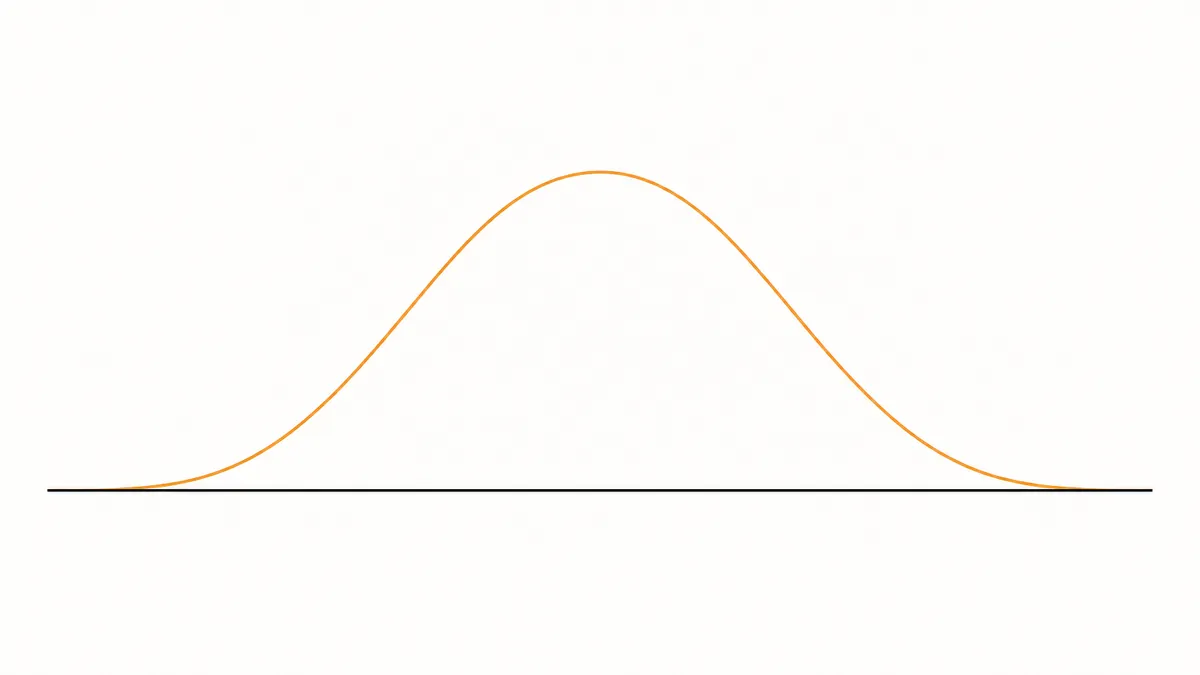
The craving wave
A craving is an intense, sudden urge that pushes you to use or to act compulsively (gambling, sex, checking compulsions, etc.), that is to say, with no possible control. It appears without warning and takes up all the space for a while.
It has nothing to do with a lack of willpower: it is an automatic reaction — and so an internal, unconscious one — set off by a situation, an emotion or a time of day. It rises, reaches a peak, then comes back down.
What happens during it
This urge rarely starts with a thought; it often begins in the body, even if we aren't necessarily aware of it — a tension, a quickening, a feeling of emptiness. The mind comes afterwards, and it is very convincing.
During those few minutes, everything narrows. The rest of the day disappears, the reasons for stopping drift away, and the urge fills the whole space. It is this narrowing, in particular, that gives the impression it will never end.
But a craving is simply our mind's default response for getting back to a particular state. Trying to calm it without meeting the underlying need(s) costs an enormous amount of willpower and energy.
Only, if that willpower and energy have already been heavily drawn on elsewhere, there is a good chance the craving will win after a few hours, days or weeks.
What sets it off
An exhausting day at work, a lot of demands from the children, one or more tricky situations to handle, intense physical effort, a slump in energy, the weekend arriving… These are the surface triggers.
But many people discover in session, after some time spent looking inwards, that their urge lies elsewhere. The craving, the urge to use, is above all trying to meet one or more emotional needs (calm, a mental break, energy, freedom, relief, etc.)
Spotting them doesn't in itself make the urge disappear. But it changes how we understand it: it stops being a character flaw, an inevitability or a lack of perseverance, and becomes a deep exploration of the needs that matter for our happiness and our ability to feel alive.
Craving and the permissive thought
The two work together. The craving creates the tension. The permissive thought provides the permission: "I'm giving myself a break today"; "I've had a hard day"; "you've got to enjoy life"
So on the one hand we need to understand the source of the craving, that is, the unmet need or needs, and on the other to take some distance from the permissive thoughts in order to adopt new behaviours.
Cravings, permissive thoughts and the other springs of addiction →
What you can do with it
The classic answer for getting out of addiction is to hold on, at all costs, through willpower: grit your teeth, wait for it to pass, start again the next day. It sometimes works, but most of the time it wears you out, and then it gives way.
It's the same mechanism as with diets or overly drastic resolutions: they never last. Why? Because the question of pleasure has been completely trampled on. And without perceived pleasure, there is no long-term motivation. Frustration builds up until that one situation or emotion too many and — crash — back to square one.
My clients and I work differently: by looking at what the urge is trying to meet. An urge is never there for no reason; it is aiming at something — calm, energy, pleasure, a feeling of confidence. When that need finds another answer, the craving loses its strength without our needing to fight it any more.
If you go through these waves regularly, there is one thing to observe before you even try to stop them: when they arrive, and which emotions are present at that moment (e.g. boredom, emptiness, loneliness, tiredness, etc.). What you see emerge is often simpler, and more useful, than you expected.
A first assessment
Tired of going it alone?
A 45-minute conversation, free and with no commitment.

- 01Understand the mechanics behind your addiction
- 02Identify what stands between you and the way out
- 03Decide together whether this support fits you